
On March 12th, the "2026 China Automotive Product Quality Trend Symposium," co-hosted by Car Quality Network and Car Research, was held in Beijing. The invitation-only event brought together over 50 representatives from mainstream automakers and supply chain companies. Based on authentic user feedback and product validation data, the symposium conducted an in-depth analysis of the evolving logic behind automotive product quality issues in the era of intelligent and electrified vehicles. It officially released two key industry research findings: the "2025 Auto Quality Network Complaint Analysis Summary Report" and the "2026 China Automotive Product Quality Trend Analysis." The results of the annual "Automotive Quality Excellence Factory Evaluation" were also announced, along with new initiatives in the field of standard development planned for 2026.
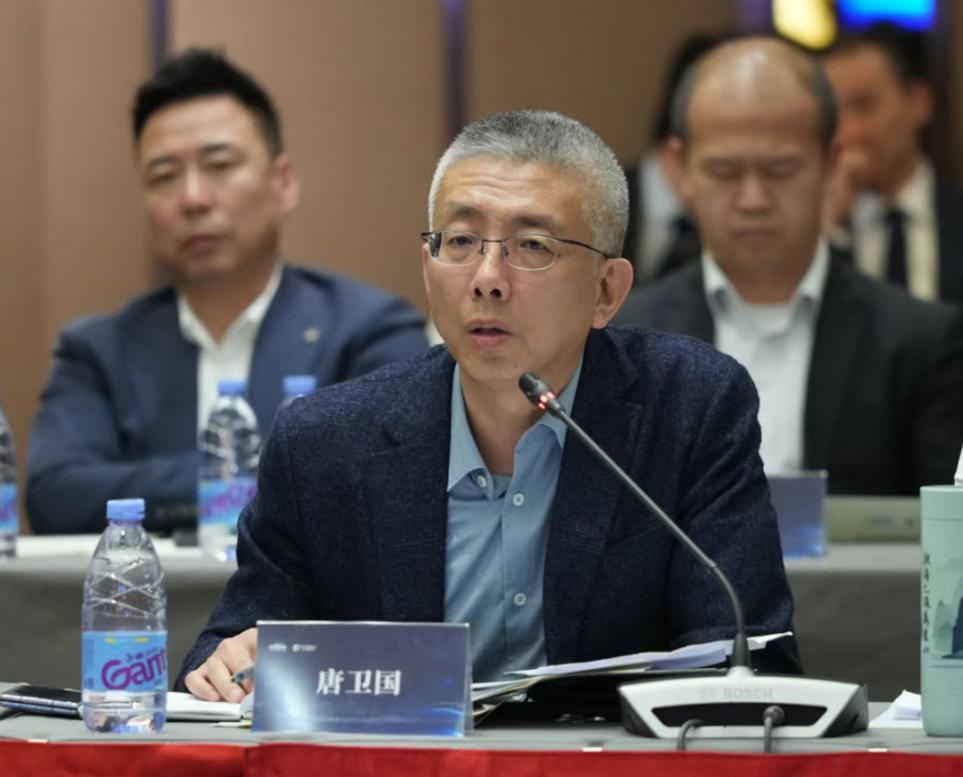 Tang Weiguo, Chairman and President of the Car Quality Network and Car Research
Tang Weiguo, Chairman and President of the Car Quality Network and Car Research, pointed out in his opening address that the Car Quality Network received over 220,000 verified complaints in 2025, revealing three significant changes: First, while OTA upgrades have popularized remote performance optimization, some models still suffer from issues like battery charging limiting and power output limiting. Second, battery degradation under extreme conditions has somewhat improved, but sudden drops in displayed daily range continue to draw user criticism. Finally, brand response efficiency has notably increased, with complaint handling cycles now shortened to just a few days.
He emphasized that while the industry embraces new technologies, foundational quality defenses have shown signs of weakening: insufficient quality validation is leading to a rise in early-stage failure rates; traditional quality problems persist, indicating that smart technology cannot substitute for basic quality; and a trust crisis is emerging concerning intelligent driving systems. Regarding the enhancement of user-perceived quality in 2026, Tang Weiguo suggested that companies need to balance speed and quality, strengthen software-hardware synergy by supporting software functions with highly reliable hardware, and establish cross-departmental integration mechanisms. Simultaneously, managing user expectations is crucial to avoid gaps between technological innovation marketing and the actual user experience, thereby reducing the risk of complaints.

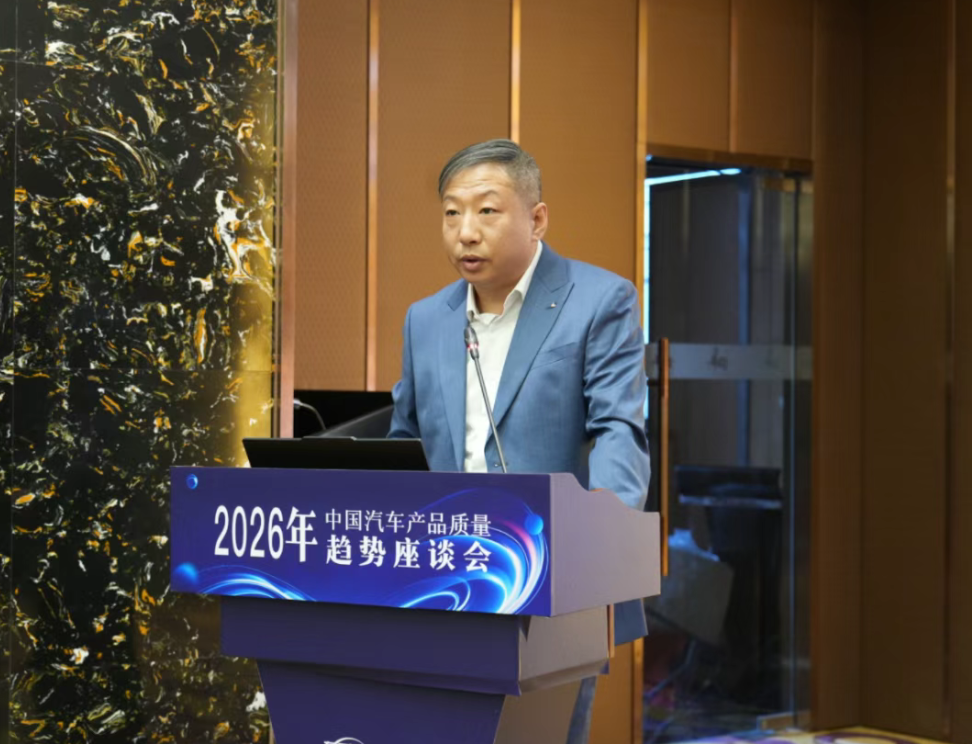 Li Xi, Executive Vice President and Editor-in-Chief of the Car Quality Network
During the report release session, Li Xi, Executive Vice President and Editor-in-Chief of the Car Quality Network, presented the "2025 Car Quality Network Complaint Analysis Summary Report." The report reveals that the Car Quality Network received 227,803 valid complaints in 2025, a year-on-year increase of 31.6%, reaching a historic high and marking a significant acceleration point for complaint growth. Key trends include a rising proportion of complaints from Chinese domestic brands; new energy vehicle complaints rising to 44.8%, with plug-in hybrid vehicles receiving the highest number of complaints, highlighting emerging issues in new energy models. However, traditional fuel vehicles still account for the highest number of complaints among single energy types.
The report also points out that new cars have become the primary source of complaints. Quality issues remain the core complaint type, with body accessories and electrical component failures accounting for over 60% of these. In terms of service problems, sales issues continue to be the most problematic area, notably deposit disputes, unfulfilled sales promises, and price fluctuations. Other types of issues have seen explosive growth, with disputes over the iteration of new and old model versions being the central conflict point. The overall complaint-to-sales ratio was 58.4 per 10,000 units, a decline compared to 2024. A total of 43 automotive brands performed better than the average complaint-to-sales ratio, with Chinese domestic brands accounting for 67.4% of these, and new energy vehicle brands delivering particularly impressive performances.
Li Xi stated that in 2025, the Car Quality Network issued 840 consecutive quality complaint warnings to automotive brands, involving 243 models across 62 brands. Among these, warnings related to quality issues accounted for 72%, with warnings about batch-related quality problems being the most prominent.
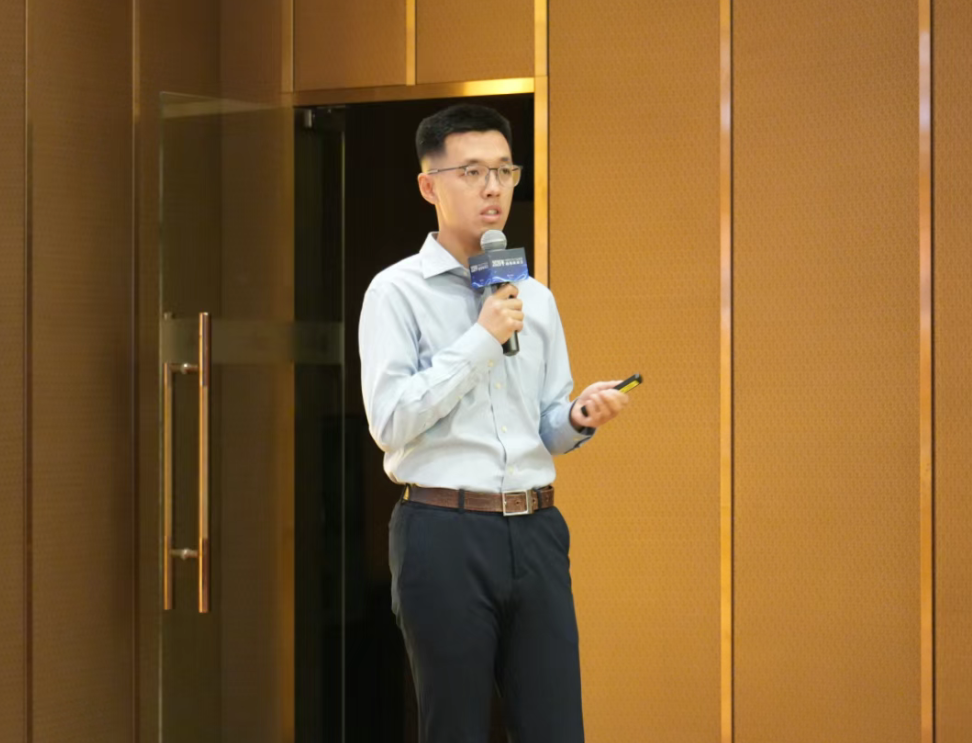 Ma Wenxiao, Market Quality Research Manager at Car Research
Ma Wenxiao, Market Quality Research Manager at Car Research, released the "2026 China Automotive Product Quality Trend Analysis." The report indicates that while overall quality levels for new cars have somewhat improved, problems are emerging earlier. Complaints regarding mid-to-low-tier brands are increasing, user tolerance for quality issues is decreasing, and more industry-wide quality problem points are appearing. Complaints related to advanced driver-assistance systems are growing rapidly, with "erroneous system reactions" becoming the most frequent complaint in this domain, highlighting experiential pain points during the implementation of new technologies.
Compared to the new car market, quality control pressure on existing models has increased. Users report more issues per vehicle, broadening the range of problems exposed. “New technology” defects are now appearing in older models, and model-specific common flaws dominate complaints. The report warns that high-volume models face risks of concentrated complaints, as quality issues often emerge with significant delay.
In response to the identified trends, the report proposes core strategies: For new models, companies must strengthen thorough validation during the R&D phase and enhance public opinion management. They should establish and refine quality case libraries, actively incorporate user design suggestions, and prioritize optimizing the user experience for advanced intelligent driving functions. For existing models, it is crucial to establish a long-term quality tracking mechanism to proactively predict and deploy solutions for potential quality issues that could trigger mass complaints, integrating common industry risks into their own product verification systems.
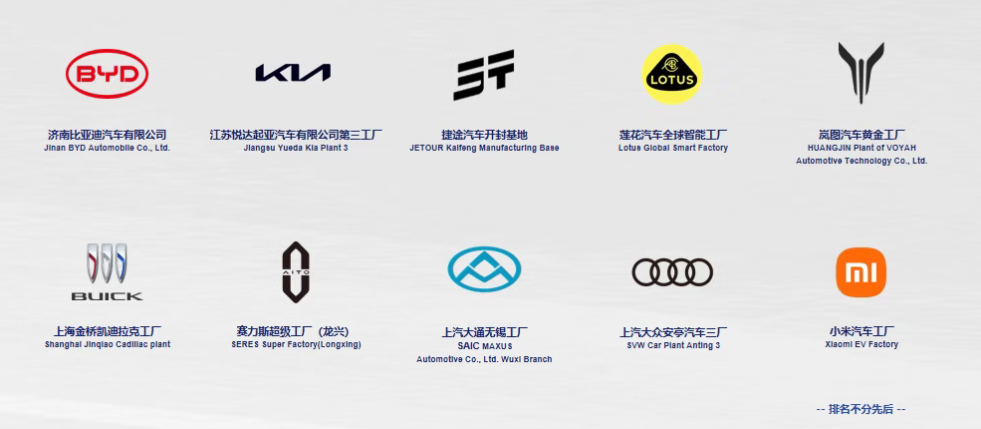
The conference also unveiled the results of the inaugural "Annual Automotive Quality Excellence Factory Evaluation," conducted jointly by the Car Quality Network and Car Research. This evaluation establishes a reputation system based on 2025 passenger vehicle circulation data and user quality survey data across the entire market. By coupling quality data with sales figures through a two-dimensional calculation, the program objectively assesses the quality control level of vehicle manufacturing. The ten quality excellence factories selected from a pool of 596 vehicle manufacturing plants or bases are: Jinan BYD Automobile Co., Ltd.; Jiangsu Yueda Kia Automobile Co., Ltd. (Third Plant); Jetour Kaifeng Base; Lotus Global Intelligent Factory; Voyah Golden Factory; Shanghai Jinqiao Cadillac Plant; Seres Super Factory (Longxing); SAIC Maxus Wuxi Plant; SAIC Volkswagen Anting Plant 3; Xiaomi Auto Factory.
Additionally, leveraging insights from data analysis and investigative findings, the Car Quality Network and Car Research have been actively promoting the development of industry standards. In 2026, the two organizations will partner with research institutes under regulatory bodies and renowned universities to launch a group standard project focused on the three-electric system in new energy vehicles. The project aims to establish a perceived quality evaluation method based on authentic user experiences, providing the industry with a foundational "benchmark" from the source. Concurrently, the highly anticipated "Annual Selection and Promotion Campaign for Outstanding Contributors to Quality and After-Sales Service" will continue. This year's edition will specifically honor managers who have achieved remarkable success in areas such as AI-empowered quality management, digital transformation, and innovative user engagement, seeking to identify pioneers driving quality evolution with innovative thinking in the new automotive era.
During the subsequent panel discussion, industry attendees engaged in in-depth conversations centered on key sector trends. The discussions focused on practical issues such as addressing the frequent early-stage failures in intelligent driving systems, striking a balance between rapid product iteration and thorough software/hardware validation, and collaboratively tackling persistent quality challenges in core areas like the three-electric system (battery, motor, electronic control) alongside traditional vehicle quality issues.




 26th Floor, Moutai Tower, Building 3, Courtyard 29, North Third Ring Middle Road, Xicheng District, Beijing, China
 010-65993545
 quanqixiang@carresearch.cn
Follow us
Scan the QR code to follow our official WeChat account车市睿见 Interact on MicroBlog@车市睿见
 京公网安备:11010202007638号|京ICP备17032593号-2|Report illegal and bad information:010-65993545 jubao@carresearch.com
Legal support:Beijing Yingke Law Firm|All rights reserved, DO NOT reproduce without permission

 News
News