
On May 26, the Ministry of Industry and Information Technology officially released the “Work Priorities for 2026 Automotive Standardization” (hereinafter the “Work Priorities”). The document explicitly proposes a “feasibility pilot study on shifting from voluntary to mandatory standards,” meaning that some recommended technical standards that manufacturers previously adopted on a voluntary basis may become binding national standards in the future, raising the compliance baseline across the entire industry. The rapid expansion of the market, coupled with the relentless rise in NEV penetration, has further amplified safety hazards and data risks, making vehicle safety an absolute top priority.
From Optional to Mandatory: Binding Standards Accelerate
In 2025, China’s automobile production and sales both exceeded 34 million units, exports surpassed 7 million units, and NEVs accounted for 47.9% of new vehicle sales. At this scale, any loophole in safety standards could be magnified, triggering broad societal repercussions. The rapid adoption of intelligent connected vehicles is also creating a host of new challenges — data security, autonomous driving safety, and more — that are remote, large-scale, and covert by nature. The industry’s collective experience in dealing with them is still being built.
Take assisted driving as an example. Different automakers apply varying technical requirements to functions such as automatic emergency braking and lane-keeping assist. Some features may even fail to work properly under certain conditions, creating potential safety hazards. In April 2025, the Ministry of Industry and Information Technology explicitly prohibited automakers from engaging in exaggerated or false advertising, a move partly linked to the issues described above.
Alongside intelligent driving safety and data security, power battery safety has also been emphasized. The Work Priorities explicitly states that it will advance the release and implementation of mandatory national standards for combined driver-assistance systems, complete the public comment process for mandatory standards on parking combined driver-assistance systems, and push forward the release and implementation of mandatory standards for autonomous driving systems and simulation test methods. Moreover, functional safety and Safety of the Intended Functionality standards for key electronic control systems — such as steer-by-wire chassis, battery management, and drive motor systems — have also been included in the scope of development.
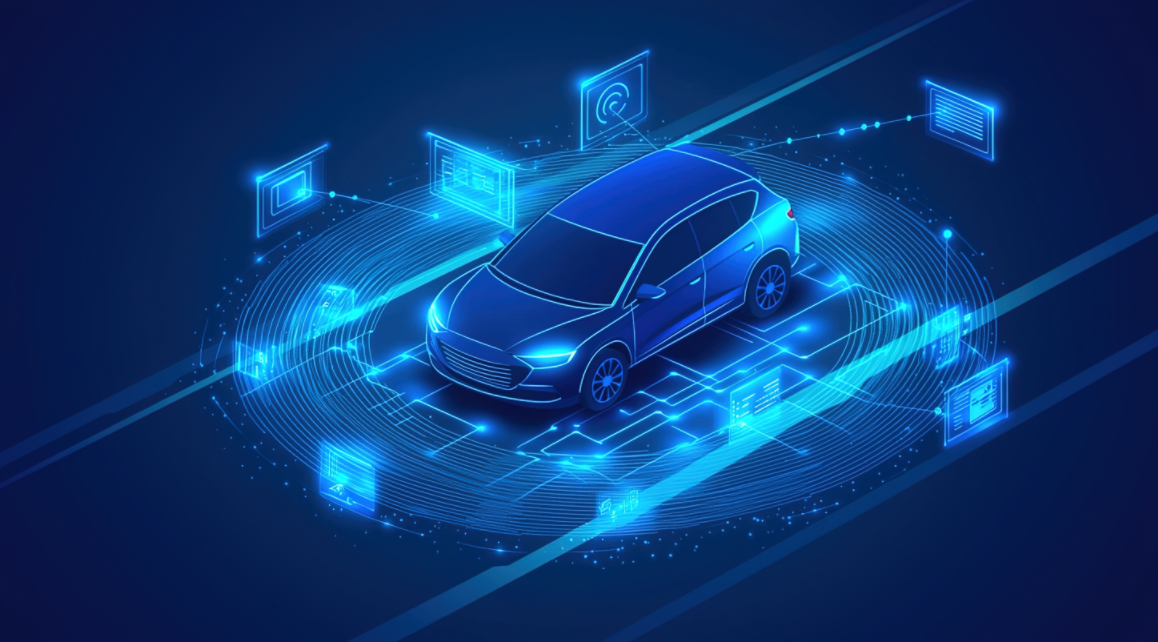
 On the data security front, the Work Priorities makes it clear that it will complete the public comment phase for mandatory national standards, including data security requirements for intelligent connected vehicles (ICVs). It also plans to update and refine standard systems for data governance and applications, as well as automotive artificial intelligence. With the rapid proliferation of ICVs, the sheer volume of data generated by vehicles each day can no longer be overlooked — from driving trajectories and in-car voice recordings to driving behavior analysis and facial recognition data. Without unified standards, the ownership, usage, and secure storage of such data pose obvious and significant risks.
As the most critical and cost-intensive component of an NEV, the power battery has had its safety standards pushed to the forefront. The Work Priorities calls for continuously raising the bar for electric vehicle and power battery safety and optimizing system performance standards for core components like power batteries and drive motors. With the rapid growth of the NEV fleet in recent years, power battery safety incidents have occurred from time to time, sparking widespread public concern. The latest upgrade will push battery manufacturers to keep improving their technology and enhancing battery safety and reliability. At the same time, it will accelerate the development of a power battery recycling and reuse system, enabling safety management across the battery’s entire lifecycle.
It is fair to say that the thrust of this “voluntary-to-mandatory” standards upgrade concerns not only the reliability of individual products but also consumer confidence in new energy vehicles as a whole. Additionally, the Work Priorities has laid out plans for developing standards in areas such as automotive chips, vehicle operating systems, and vehicle-road-cloud integration.
Rising Hurdles, Shifting Market: How Companies Can Cope
In April 2026, China’s domestic auto market showed a highly polarized trend. According to the China Association of Automobile Manufacturers (CAAM), automobile production and sales in April reached 2.575 million and 2.526 million units, down 1.7% and 2.5% year-on-year, respectively. From January to April, cumulative production and sales totaled 9.614 million and 9.574 million units, falling 5.5% and 4.8% year-on-year. New energy vehicles, however, bucked the trend. In April, NEV production and sales hit 1.32 million and 1.344 million units, up 5.5% and 9.7% year-on-year, with NEV sales accounting for 53.2% of total vehicle sales.
On the retail front, data from the China Passenger Car Association (CPCA) branch shows that the retail penetration rate of new energy passenger vehicles reached 61.3% in April, topping the 60% mark for the first time. Even more noteworthy is that pure electric vehicles overtook gasoline-powered vehicles that month: insurance registrations hit 573,000 units, surpassing their gasoline counterparts by nearly 20,000 units, and only one model in the top ten best-sellers was gasoline-powered.
On one hand, the rapid growth in new energy vehicle (NEV) penetration has expanded the exposure surface for safety and data risks, giving stricter standards a firm market foundation. On the other hand, uniform mandatory standards can help the market weed out the weak, allowing leading automakers and top-tier parts suppliers with strong R&D, technological and mass-production capabilities to capture greater market share.
Industry insiders believe the “Work Priorities for 2026 Automotive Standardization” (the “Work Priorities”) places strong emphasis on driving comprehensive quality upgrades across the industry, with an even greater focus on the breadth and stringency of standards. This heightened intensity is forcing manufacturers to invest more in safety technology R&D.
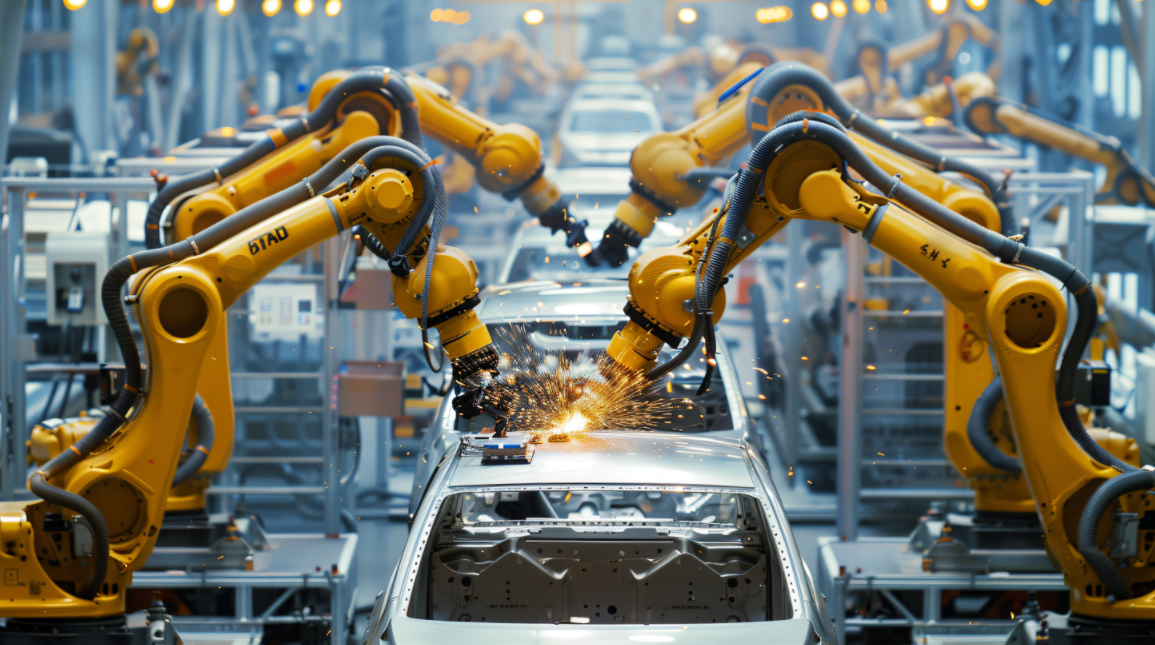
From the standpoint of consumer rights, mandatory national standards resulting from the “voluntary-to-mandatory” shift essentially draw a passing line for products. However, whether the short-term rise in compliance costs is ultimately passed on to end consumers depends on automakers’ own technical reserves and cost-control capabilities. Against a backdrop of increasingly fierce market competition, automakers are already striking a balance between price and performance; raising the regulatory threshold undoubtedly makes this already delicate balancing act considerably more challenging.
What is certain, however, is that this represents a shift from “safeguarding the baseline” to “driving upgrades.” For businesses, proactively adapting to the trend of tightening standards and embedding safety principles into every stage — from product R&D and manufacturing to sales and service — while continuously improving product quality and safety, will inevitably yield positive returns. For consumers, the upgraded standards will translate into safer, more reliable vehicles and stronger protection of their legitimate rights and interests.




 26th Floor, Moutai Tower, Building 3, Courtyard 29, North Third Ring Middle Road, Xicheng District, Beijing, China
 010-65993545
 quanqixiang@carresearch.cn
Follow us
Scan the QR code to follow our official WeChat account车市睿见 Interact on MicroBlog@车市睿见
 京公网安备:11010202007638号|京ICP备17032593号-2|Report illegal and bad information:010-65993545 jubao@carresearch.com
Legal support:Beijing Yingke Law Firm|All rights reserved, DO NOT reproduce without permission

 News
News